Understand blood pressure, its causes, and its effects on the heart and other organs.
A chronic pressure problem
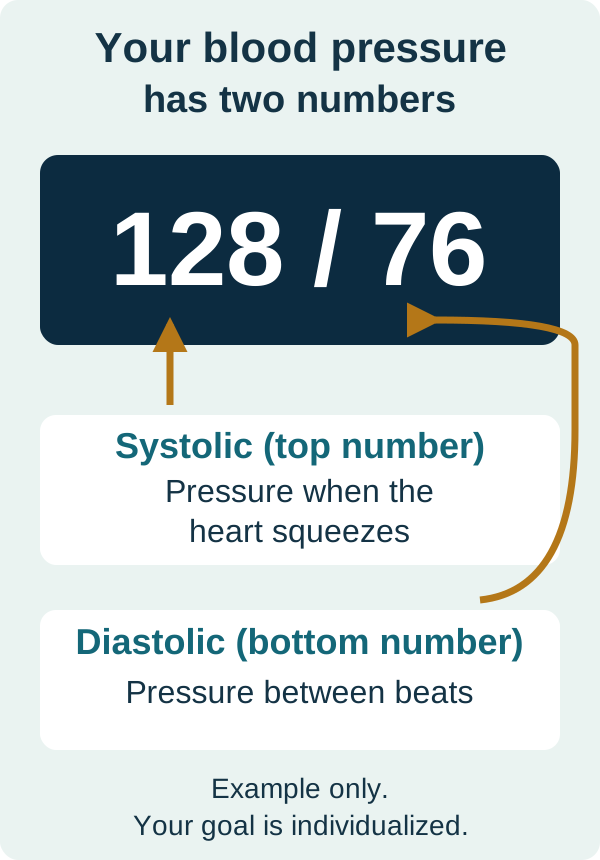
Hypertension is persistently elevated arterial blood pressure. Systolic BP reflects pressure during ventricular contraction; diastolic BP reflects pressure between beats. Hypertension often causes no symptoms, so feeling well does not establish that BP is controlled.
Interpret both numbers. Assign the higher category when systolic and diastolic values differ.Open full-size image →
Normal
Systolic, mm Hg: <120
Relationship: and
Diastolic, mm Hg: <80
Elevated
Systolic, mm Hg: 120–129
Relationship: and
Diastolic, mm Hg: <80
Stage 1
Systolic, mm Hg: 130–139
Relationship: or
Diastolic, mm Hg: 80–89
Stage 2
Systolic, mm Hg: ≥140
Relationship: or
Diastolic, mm Hg: ≥90
These categories describe averages from properly obtained readings, not a diagnosis from one rushed measurement.[1][2]
Why sustained hypertension matters
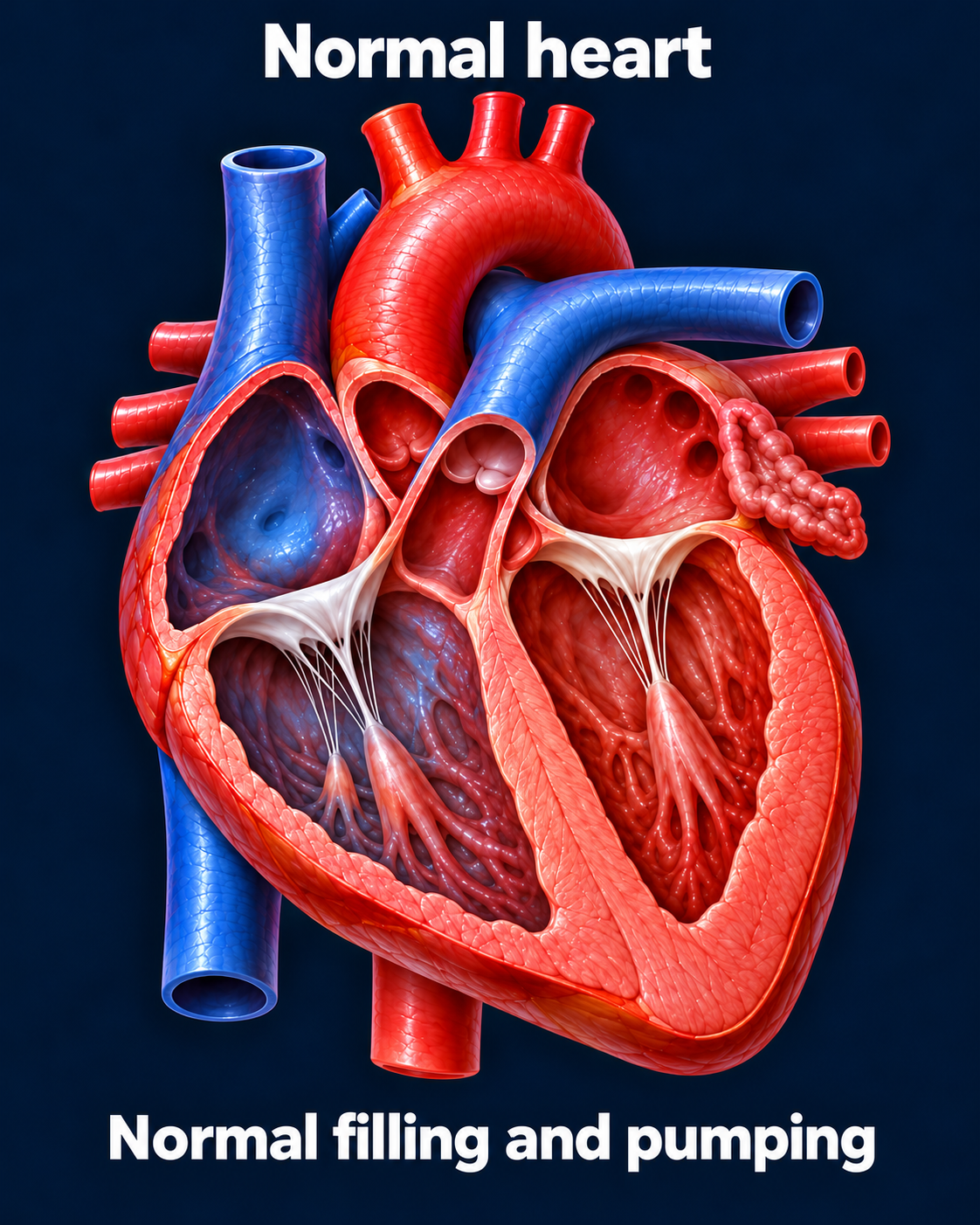
Higher pressure increases the workload against which the left ventricle ejects. Over time, hypertension can contribute to ventricular hypertrophy, heart failure, coronary disease, AFib, stroke, kidney injury, and cognitive decline.
Normal anatomy for orientation. Hypertension can cause remodeling; this image does not depict hypertensive heart disease.Open full-size image →
BP control protects organs even when the patient feels no immediate benefit.[3]
Primary, secondary, and out-of-office patterns
Primary hypertension reflects interacting genetic, vascular, renal, and lifestyle factors. Secondary hypertension has an identifiable contributor, such as kidney disease, primary aldosteronism, sleep apnea, or medication effects.
White-coat hypertension: elevated office BP with normal out-of-office BP. Masked hypertension: reassuring office BP with elevated out-of-office BP. Home monitoring or ambulatory BP monitoring helps resolve these patterns.[4][5]