PATIENT EDUCATION · THE SIMPLE EXPLANATION
Fatigue and reduced exercise tolerance, made clear.
A few pictures. Short explanations. Start here, then explore the full guide when you’re ready.
01 · FATIGUE AND REDUCED EXERCISE TOLERANCE
When is tiredness worth checking?
 Open full-size image →
A new loss of energy or drop in walking distance deserves attention. Causes include sleep problems, anemia, medicines, atrial fibrillation (AFib), and other heart or lung conditions. It should not simply be dismissed as aging.
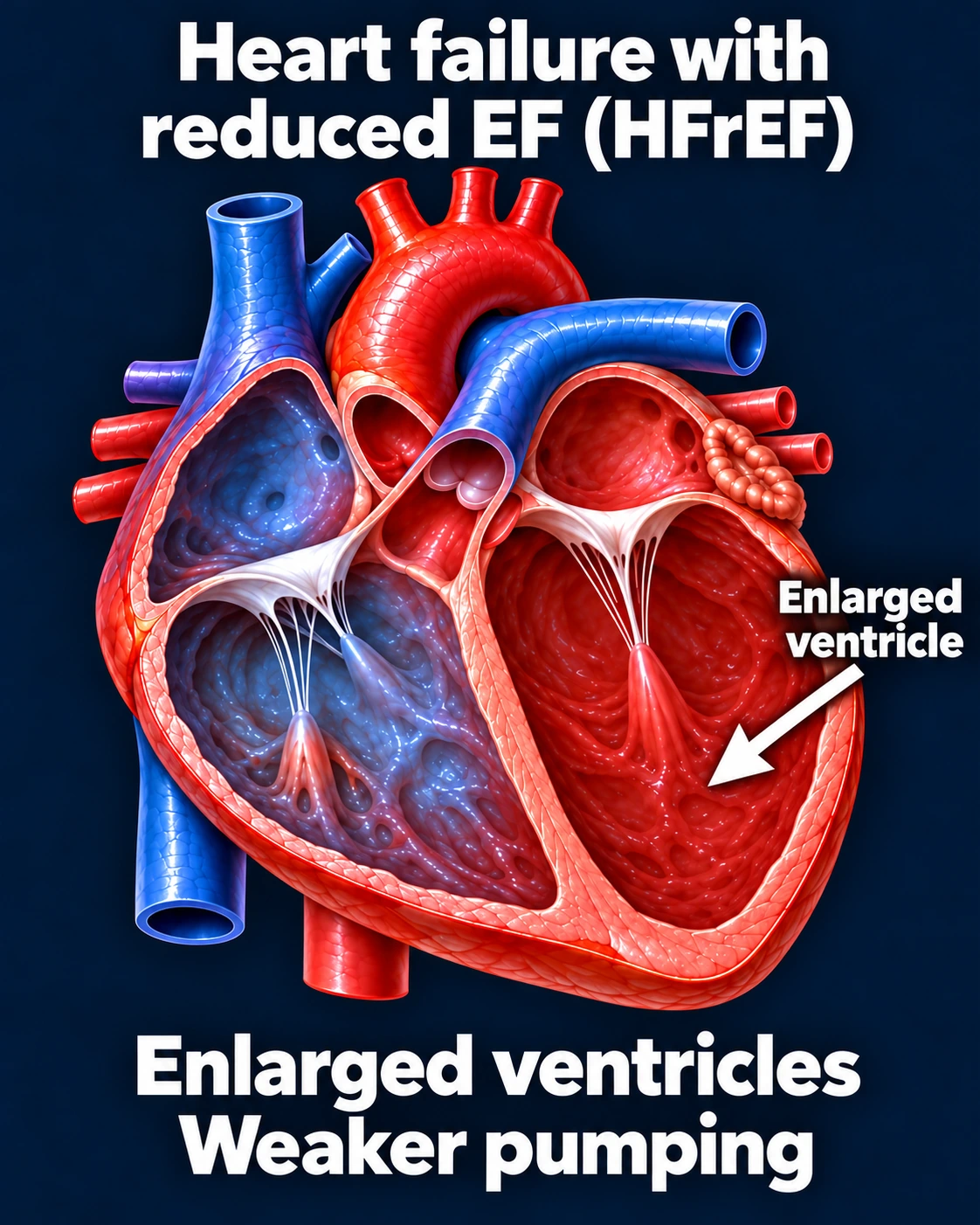
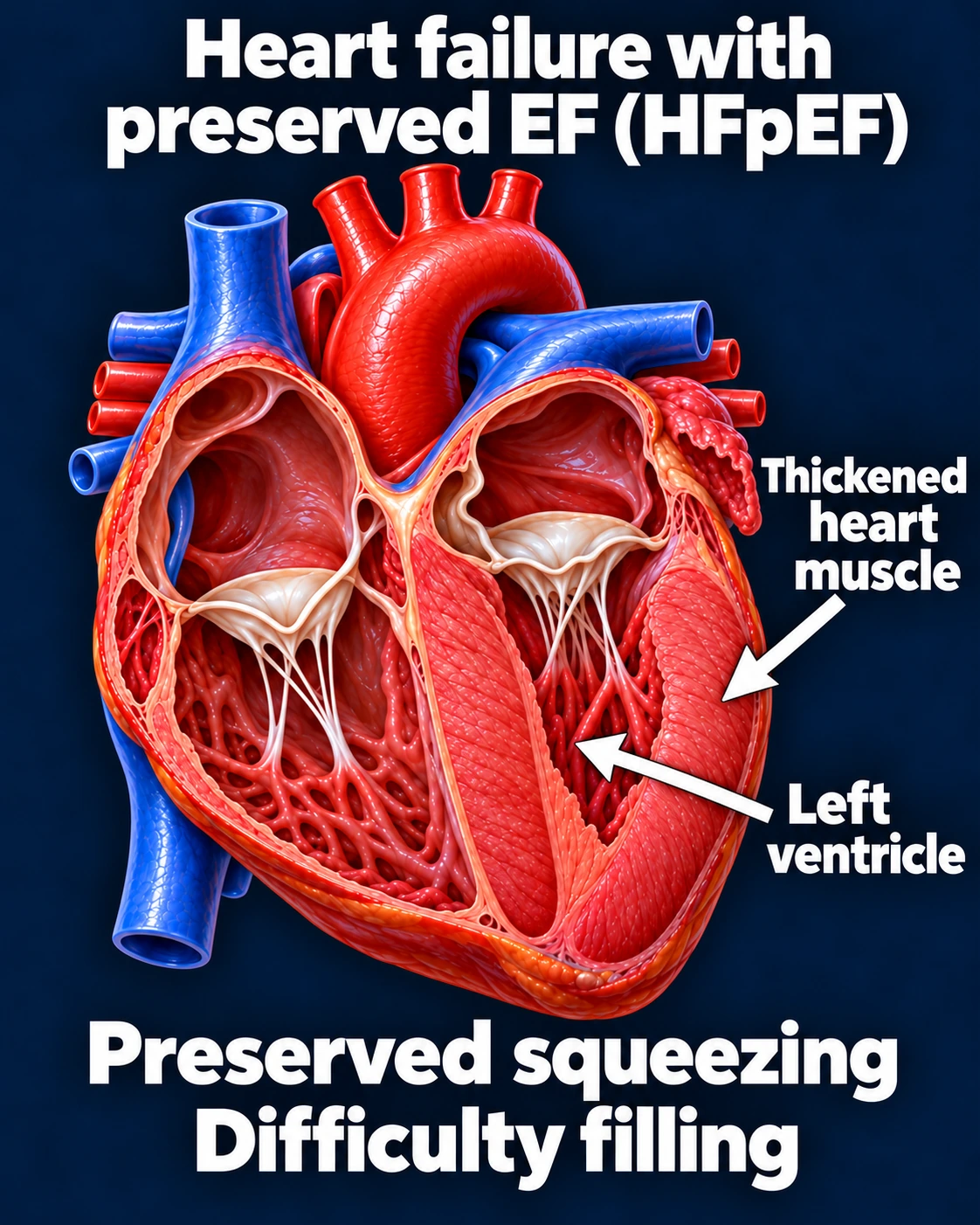
Heart failure can reduce stamina with either a reduced or preserved ejection fraction. AFib can also cause fatigue and reduced exercise tolerance, even without a racing pulse.
02 · FATIGUE AND REDUCED EXERCISE TOLERANCE
Which tests might be useful?
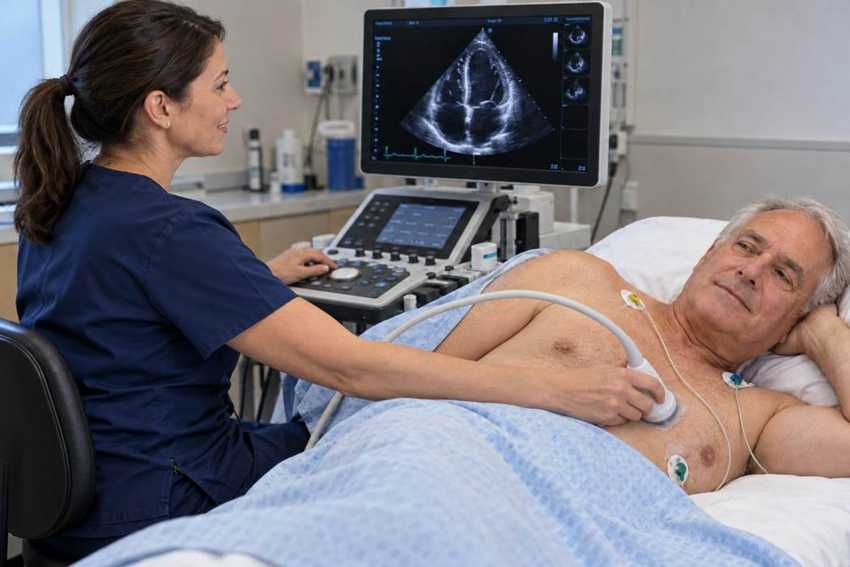
Your clinician starts with the pattern of symptoms, an examination, and medicine review. Blood tests, an EKG, or an echocardiogram may be appropriate.
Testing is selected for your situation; fatigue alone does not establish a heart diagnosis.
03 · FATIGUE AND REDUCED EXERCISE TOLERANCE
What should I track?
Note which activities have become harder, when you need rest, sleep quality, and any breathlessness, swelling, or palpitations.
Bring a medicine list and a few concrete examples of what has changed.
Updated October 2026. Educational information; your own care plan may differ. Medical illustrations are simplified examples for teaching.